
Beyond the Postcard: How to Experience the Real Culture of Nepal Without Rushing
Why slowing down is the only way to truly understand the Kathmandu Valley
You’ve seen the photos. Prayer flags dancing against snow-capped peaks. Ancient temple courtyards bathed in golden afternoon light. Saffron-robed monks lost in meditation. Nepal looks magical in postcards and Instagram feeds—and it absolutely is.
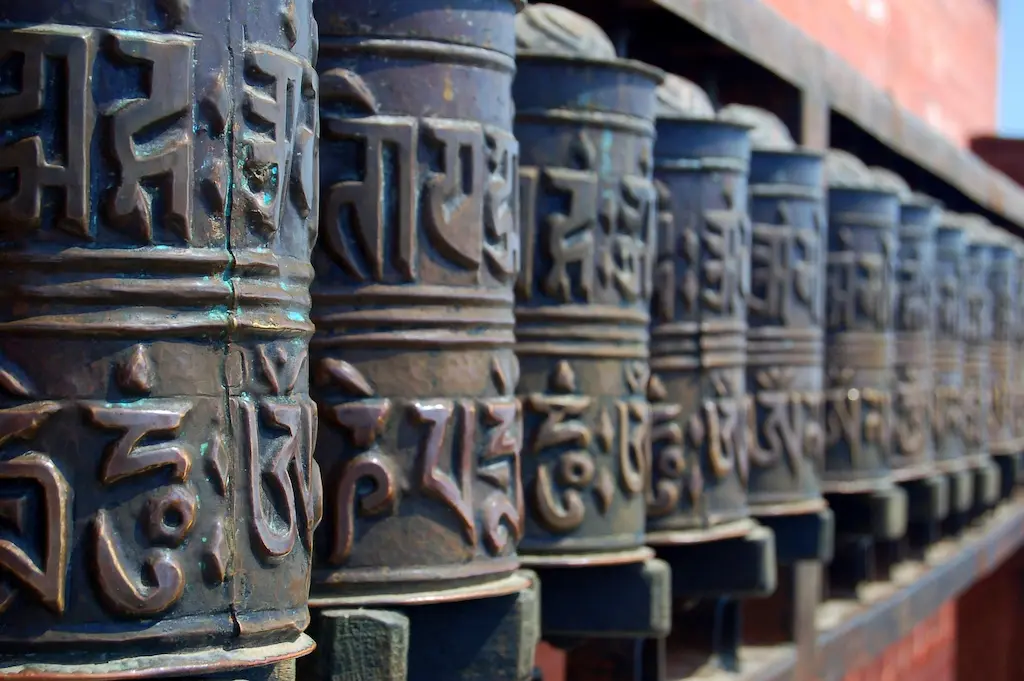
But here’s what those images don’t show you: the elderly woman who’s been selling marigold garlands at Pashupatinath Temple for forty years and knows exactly when to visit for the most moving evening aarti. The family-run pottery workshop in Bhaktapur where techniques haven’t changed in five centuries. The quiet moment when you’re sitting in a monastery courtyard, and suddenly the whole rhythm of daily rituals makes sense.
These moments? You can’t tick them off a checklist. They unfold slowly, quietly, when you stop rushing.
After years of guiding families and curious travelers through Nepal’s cultural heartland, I’ve learned something important: there’s a profound difference between seeing Nepal and experiencing it. And that difference comes down to one thing—time.

The Sightseeing Tour vs. The Cultural Walk: What’s Really Different?
Let’s be honest. Most tours follow the same formula: wake up at 6 AM, visit three temples before lunch, squeeze in a palace complex, tick off a UNESCO site, rush to catch the sunset viewpoint, collapse into bed. Repeat.
You’ll see everything and photograph everything; nevertheless, you may find yourself asking if you truly felt anything.
What a Sightseeing Tour Looks Like
Picture this: It’s 9:30 AM at Boudhanath Stupa. Your guide rattles off facts—”Built in the 14th century, 36 meters high, represents Mount Meru”—while you snap photos. Fifteen minutes later, you’re back in the van headed to Pashupatinath. By lunchtime, you’ve “done” four sites and can barely remember which temple had which carvings.
This is tourism as consumption. It’s efficient. It’s comprehensive. And it’s completely exhausting.
What a Cultural Walk Offers Instead
In contrast, imagine starting your day at 7 AM, and you’re walking through Patan’s quiet backstreets with a local guide who grew up here. You stop at a tiny chai stall where craftsmen gather before opening their metalwork shops. Your guide introduces you. Someone offers you tea.
You spend an hour—just one hour—watching a master artisan hammer copper into the Buddha statue he’s been working on for three weeks. He shows you his grandfather’s tools. Explains why this particular alloy matters. Tells you about his son who’s learning the trade.
You visit only two sites that entire morning. But you leave understanding something real about how art, spirituality, and daily life interweave in Nepal.
That’s the difference. A cultural walk isn’t about covering ground—it’s about understanding it.
Why Slow Travel Unlocks Nepal’s Soul
Nepal’s cultural richness isn’t found in guidebook paragraphs. It lives in rhythms, rituals, and relationships that take time to reveal themselves.
Furthermore, when you’re not racing between landmarks, you start seeing the details. The grandmother teaching her granddaughter to sort rice for offerings. The specific way shopkeepers arrange fruit to honor Lakshmi. The sound of temple bells marking the day’s rhythm across the valley.
These aren’t “attractions.” They’re the actual fabric of Nepali life—and they become visible only when you slow down.
Consequently, you begin to connect with people, not just places. We recently guided a family from California who spent three days in Bhaktapur instead of the typical half-day visit. By day two, the pottery square vendors knew their names. By day three, they were invited to a local family’s home for dal bhat.
“This is what we’ll remember,” the mother of the family told me. “Not the palace we rushed through in Kathmandu, but the conversation we had with the woodcarver about his daughter’s education.”
Cultural immersion isn’t scheduled. It happens in the margins—when you linger, when you return, when you’re not performing tourism.
You Support Communities Meaningfully
When you spend three hours in a village instead of thirty minutes, you’re not just observing culture—you’re participating in the local economy in ways that actually matter. You buy directly from artisans. You eat at family-run restaurants. You hire local guides who share deep knowledge instead of memorized scripts.
This is what ethical tourism looks like. Not a stampede of buses, but small groups spending time—and resources—where it counts.
What Cultural Immersion Actually Looks Like in Nepal
Festival Immersion, Not Festival Viewing
For instance, during Dashain, most tours take you to watch the festivities,w e introduce you to a local family who invites you to their tika ceremony. You’re not an observer behind a camera—you’re a welcomed guest receiving blessings, understanding what each ritual symbolizes, tasting homemade sel roti while children excitedly show you their new clothes.
Walking Through History at Human Pace
Instead of driving between Kathmandu’s Durbar Squares, we walk. Yes, it takes longer. But you’ll notice the transition from Mughal-influenced architecture to Newari design. You’ll smell incense from household shrines. You’ll see how ancient water spouts still serve neighborhoods, and why certain streets have specific names.
A guide who knows these neighborhoods intimately makes all the difference. They know the sarangi maker whose workshop is down an unmarked alley. The family temple that’s been maintained by the same lineage for 400 years. The best juju dhau maker in Bhaktapur (trust me, there’s debate about this).
Meaningful Wildlife Encounters
Similarly, our wildlife experiences follow the same philosophy, ensuring that even nature encounters are unhurried. In Chitwan, we don’t cram six activities into one day. Instead, you might spend a whole morning on a single bird-watching walk with a naturalist who grew up in these forests. Afternoon? River time, watching gharials and learning about conservation efforts from local guides invested in protecting their home.
If you have limited time and want to see Nepal’s greatest hits efficiently, traditional sightseeing tours absolutely serve a purpose. No judgment.
But slow cultural travel is perfect for:
- Families who want kids to learn, not just look. Children absorb culture through experience—making prayer flags with monks, learning to cook momos with a local grandmother, trying their hand at pottery.
- Curious individuals hungry for depth. You’re not interested in bragging rights. You want to understand how Buddhism shapes daily decisions. Why certain colors appear in mandala paintings. What makes Newari architecture unique.
- Anyone who’s traveled enough to know that connection matters more than collection. You’ve done the whirlwind tours. Now you want something that stays with you.
How Tranquil Himalaya Journeys Makes This Possible
Here’s our approach: We don’t pack your days. We craft them.
Our itineraries include margins—time to wander, to have unexpected conversations, to sit in a temple courtyard and simply absorb the atmosphere. We work with guides who are cultural interpreters, not just information deliverers. People who know the flower vendors at Asan Tole by name. Who can explain the symbolism in temple carvings and why that matters to contemporary life.
We arrange transportation so you’re comfortable, but we build in walks because cities reveal themselves on foot. We connect you with local artisans, family-run restaurants, and community initiatives you’d never find in guidebooks.
And crucially—we ensure everyone in our supply chain is fairly compensated. Your guides, drivers, the families who welcome you, the artisans whose workshops you visit. Ethical tourism isn’t a marketing phrase for us. It’s operational policy.
Starting Your Own Slow Journey
Start by asking yourself: What do I want to understand about this place? Not see—understand.
For some families, it’s spirituality. How does Buddhism shape daily life? For others, it’s craftsmanship. How do traditional skills survive in modern Nepal? For many, it’s simply connection. What does it feel like to be welcomed into Nepali life, even briefly?
Once you know what draws you, we can craft an itinerary that creates space for that understanding to develop. Maybe it’s five days in the Kathmandu Valley with deep dives into specific neighborhoods. Maybe it’s combining cultural walks with one-day hikes into terraced foothills. Maybe it’s timing your visit around a specific festival and building cultural context around it.
The beauty of slow travel is that it’s flexible. It responds to your interests. And it leaves room for the unexpected moments that become your favorite memories.
The Invitation
Nepal will be here tomorrow. The temples aren’t going anywhere. The mountains have stood for millennia.
But the chance to truly connect—to sit with a metal artisan and understand his craft, to receive blessings from a family during Dashain, to walk through centuries-old neighborhoods with someone who knows every stone—that requires something from you.
Time. Presence. Curiosity.
We’re not in the business of hurrying you through Nepal’s highlights. We’re in the business of creating the conditions for genuine cultural exchange.
If that sounds like the kind of journey you’re looking for, we’d love to help craft it.
Contact us to start designing your slow cultural journey through Nepal. Whether it’s you, your family, or a small group of friends, let’s create something meaningful together.